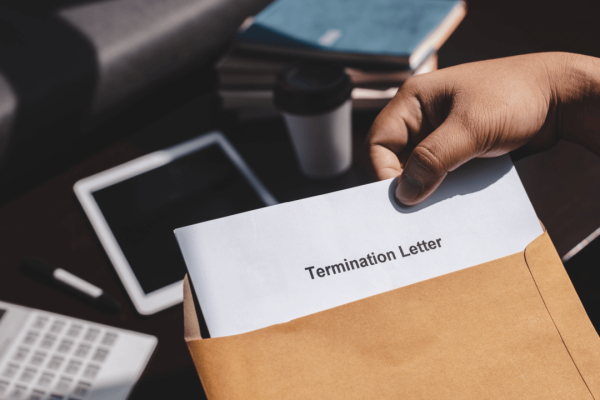
Case Facts First: Wrongful Termination Evidence
Wrongful termination evidence refers to the documentation, records, and facts that show your employer fired you illegally. According to the Equal Employment Opportunity Commission, over 67,000 workplace discrimination charges were filed in fiscal year 2023 alone — many involving unlawful job loss. Gathering the right evidence early can be the difference between a strong case and a dismissed claim.
Being fired is painful. But not every termination is legal. If your employer let you go based on discrimination, retaliation, or a violation of your contract, that may be wrongful termination. Many workers don’t realize they were fired unlawfully because employers rarely admit it outright. That’s why wrongful termination evidence is so important. It tells the story your employer won’t. This article will walk you through what evidence matters, how to collect it, and what legal options may be available to you.
What Counts as Wrongful Termination Evidence?
Not all proof looks the same. Wrongful termination evidence can be physical, digital, or even verbal — and courts consider many types of documentation. Knowing what to collect helps you protect your legal rights before records disappear.
Common types of evidence include:
- Performance reviews showing positive feedback before your termination
- Emails or messages from supervisors referencing your protected class (race, gender, age, disability, religion)
- Written warnings that seem excessive or inconsistent with company policy
- Documentation of complaints you made before being fired (especially HR reports)
- Witness statements from coworkers who observed unfair treatment
How Timing and Patterns Matter
Retaliation is one of the most common claims in employment law. According to the EEOC, retaliation was the most frequently filed charge in 2023 — making up over 52% of all charges. If you were fired shortly after filing a complaint, requesting medical leave, or reporting harassment, that timing is itself a form of wrongful termination evidence. Patterns, not just individual incidents, often build the strongest cases.
How to Collect and Preserve Your Evidence
Once you suspect wrongful termination, act quickly. Evidence can be deleted, overwritten, or lost. Start gathering documentation as soon as possible — ideally before you leave the workplace.
Steps to protect your evidence:
- Save copies of all relevant emails, texts, and performance reviews to a personal device or account
- Write down dates, times, and details of any discriminatory or retaliatory incidents
- Keep a copy of your employment contract, offer letter, and employee handbook
- Request your personnel file — most states allow employees to do this by law
- Document any witnesses and their contact information
Employment attorneys often advise clients to avoid discussing their case on social media. Posts can be used against you in court. Focus instead on organizing your records and speaking with a legal professional. Understanding your state laws is also critical, since wrongful termination statutes vary by location.
When to Speak With an Employment Law Attorney
Many employees wait too long to seek legal help — and miss important deadlines. In most cases, you have a limited time to file a wrongful termination claim. The EEOC generally requires charges to be filed within 180 to 300 days of the discriminatory act, depending on your state.
An employment law attorney can review your wrongful termination evidence and help you understand whether your situation qualifies as an unlawful firing. Legal professionals can also identify evidence you may have overlooked — such as inconsistent application of company policies or patterns of behavior toward protected groups.
If your case involves a workplace injury that contributed to your termination, connecting with specialists through services like Legal Brand Marketing may help you access legal resources specific to your situation.
Final Thoughts: Building Your Wrongful Termination Case
Collecting unlawful firing documentation takes time, but it’s one of the most important steps you can take. Strong evidence of wrongful dismissal — emails, performance records, witness accounts — gives your attorney the tools to evaluate your case accurately. You don’t have to figure this out alone. A free consultation can help clarify your rights and next steps.
Evaluate Your Wrongful Termination Evidence Today
If you believe you were fired illegally, the right support can make all the difference. Request a free case evaluation to have your wrongful termination evidence reviewed by a legal professional. There are no guarantees, but understanding your rights costs nothing. Reach out today — your job, your record, and your future may depend on it.
Frequently Asked Questions
1. What is wrongful termination evidence?
It refers to any documentation or facts — such as emails, performance reviews, or witness statements — that support a claim that your employer fired you illegally.
2. Can text messages be used as wrongful termination evidence?
Yes, text messages between you and your employer can be relevant evidence, especially if they reference your protected characteristics or show retaliatory intent.
3. How long do I have to file a wrongful termination claim?
In most cases, you have 180 to 300 days to file a charge with the EEOC, depending on your state’s laws.
4. What if I signed a severance agreement after being fired?
Signing a severance agreement may affect your ability to file a claim — speak with an employment attorney before signing any documents.
5. Does wrongful termination only apply to discrimination cases?
No, it can also apply to retaliation, contract violations, and terminations that violate public policy, depending on state law.
Key Takeaways
- Wrongful termination evidence includes emails, performance records, HR complaints, and witness statements that support an unlawful firing claim.
- Timing matters — being fired shortly after making a complaint or taking protected leave can itself serve as evidence of retaliation.
- Most states allow employees to request their personnel files, which can be a valuable source of documentation.
- The EEOC requires charges to be filed within 180–300 days, so acting quickly is essential to protecting your rights.
- Speaking with an employment law attorney early gives you the best chance of identifying and preserving key evidence before it’s lost.